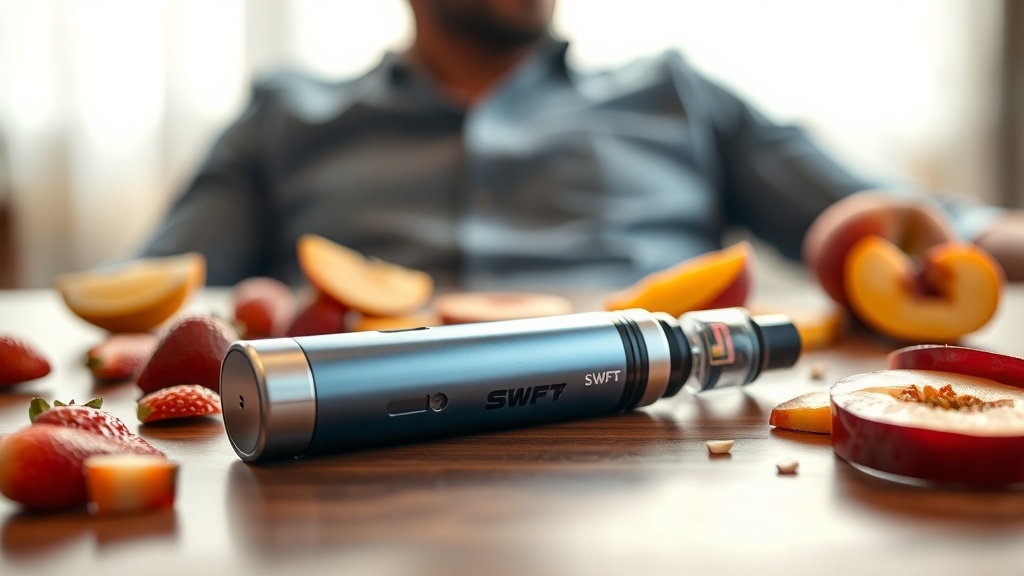
The Role of Counseling in Changing Nicotine Habits brings together product details, personal habits, and health awareness.
Clear information helps readers compare convenience with risk. It also helps them notice when a shopping question has become a question about dependence or recovery.
Some readers may be seeking Addiction Treatment as well as product facts. They should use qualified health guidance for recovery decisions and treat buying guides as general information.
Brief Overview
- Assessment helps match support to personal needs. Peer and family support can reduce isolation. Therapy can build practical coping skills. Aftercare helps protect progress in daily life. Triggers should be named before a high-risk moment.
A Practical Look at Reviewing Progress Without Shame
The plan should fit the needs of the person. Aftercare helps new skills last through work, home duties, and social stress. Turn a broad goal into one step for each part of the day. A calm review is more useful than a rushed choice. A good plan also covers weekends, travel, conflict, and other times when routine changes. This helps with the plan.
A second look at reviewing progress without shame may reveal a trade-off. A first check can cover health, mood, substance use, past tries, and help at home. Review the plan after a setback. Fix the weak step instead of dropping Recovery Center the goal. Urgent signs or direct danger need local emergency help. The care plan should be reviewed when work, health, or family duties change.
Building Practical Coping Skills
A strong plan for the plan uses more than willpower. Peer help can ease shame. It also shows that a setback can be discussed. Turn a broad goal into one step for each part of the day. A calm review is more useful than a rushed choice. Skills become more reliable when they are practiced outside high-risk moments.
A second look at building practical coping skills may reveal a trade-off. Aftercare helps new skills last through work, home duties, and social stress. Review the plan after a setback. Fix the weak step instead of dropping the goal. Trained care is vital when there is a health risk. A good plan also covers weekends, travel, conflict, and other times when routine changes.
Using Therapy and Peer Support for Counseling for nicotine habits
The aim of the plan is safer, lasting change. Talk therapy can link triggers with thoughts, feelings, and acts. Review the plan after a setback. Fix the weak step instead of dropping the goal. That simple habit can make progress easier to see. Progress can include better sleep, honest communication, and fewer risky situations.
A second look at using therapy and peer support may reveal a trade-off. A first check can cover health, mood, substance use, past tries, and help at home. Practice coping skills on calm days. They may be easier to use under stress. A setback needs a response. It does not erase past gains.
How Starting With an Honest Assessment Shapes the Decision
The aim of the plan is safer, lasting change. A first check can cover health, mood, substance use, past tries, and help at home. Use follow-up care to check sleep, mood, urges, bonds, and daily life. A calm review is more useful than a rushed choice.
A second look at starting with an honest assessment may reveal a trade-off. Peer help can ease shame. It also shows that a setback can be discussed. Turn a broad goal into one step for each part of the day. Trained care is vital when there is a health risk. Nicotine choices can sit within a wider plan for Addiction Recovery. Honest tracking and qualified support can help when use starts to feel difficult to control.
A Practical Look at Understanding Personal Triggers
A sound plan for the plan starts with an honest check. Talk therapy can link triggers with thoughts, feelings, and acts. Keep the number of a counselor, peer, or trusted person close. The aim is steady awareness, not perfect control.
A second look at understanding personal triggers may reveal a trade-off. A relapse plan lists warning signs, safe contacts, and steps to take early. Review the plan after a setback. Fix the weak step instead of dropping the goal. Urgent signs or direct danger need local emergency help.
Frequently Asked Questions
Why Does Counseling for nicotine habits Matter?
It matters because the plan can affect cost, daily use, and health choices. Aftercare helps new skills last through work, home duties, and social stress. A careful review keeps one feature from controlling the whole decision.
Does Counseling for nicotine habits Work the Same Way for Everyone?
No. People differ in frequency, goals, health, stress, and past nicotine use. Peer help can ease shame. It also shows that a setback can be discussed. Personal context is more useful than a general promise.
What Should an Adult Check First?
Start with the label, the reason for use, and the main risk. Turn a broad goal into one step for each part of the day. This creates a clear base for comparison.
When Is Professional Support Worth Considering?
Support is useful when cravings, repeated use, withdrawal, or wider substance concerns affect daily life. Urgent signs or direct danger need local emergency help. A qualified professional can assess the next step.
How Can Someone Review the Decision Over Time?
Use a short weekly note. Use follow-up care to check sleep, mood, urges, bonds, and daily life. Review what changed, what stayed difficult, and whether the plan still fits. No one plan fits each person or each substance concern.
Summarizing
The Role of Counseling in Changing Nicotine Habits is not about chasing the largest number or the quickest result. It is about making a clear choice, watching the effect, and changing course when needed.
Use the information as a starting point, not a promise. Adults who feel unable to control nicotine use should seek qualified help and include wider recovery needs in the discussion.